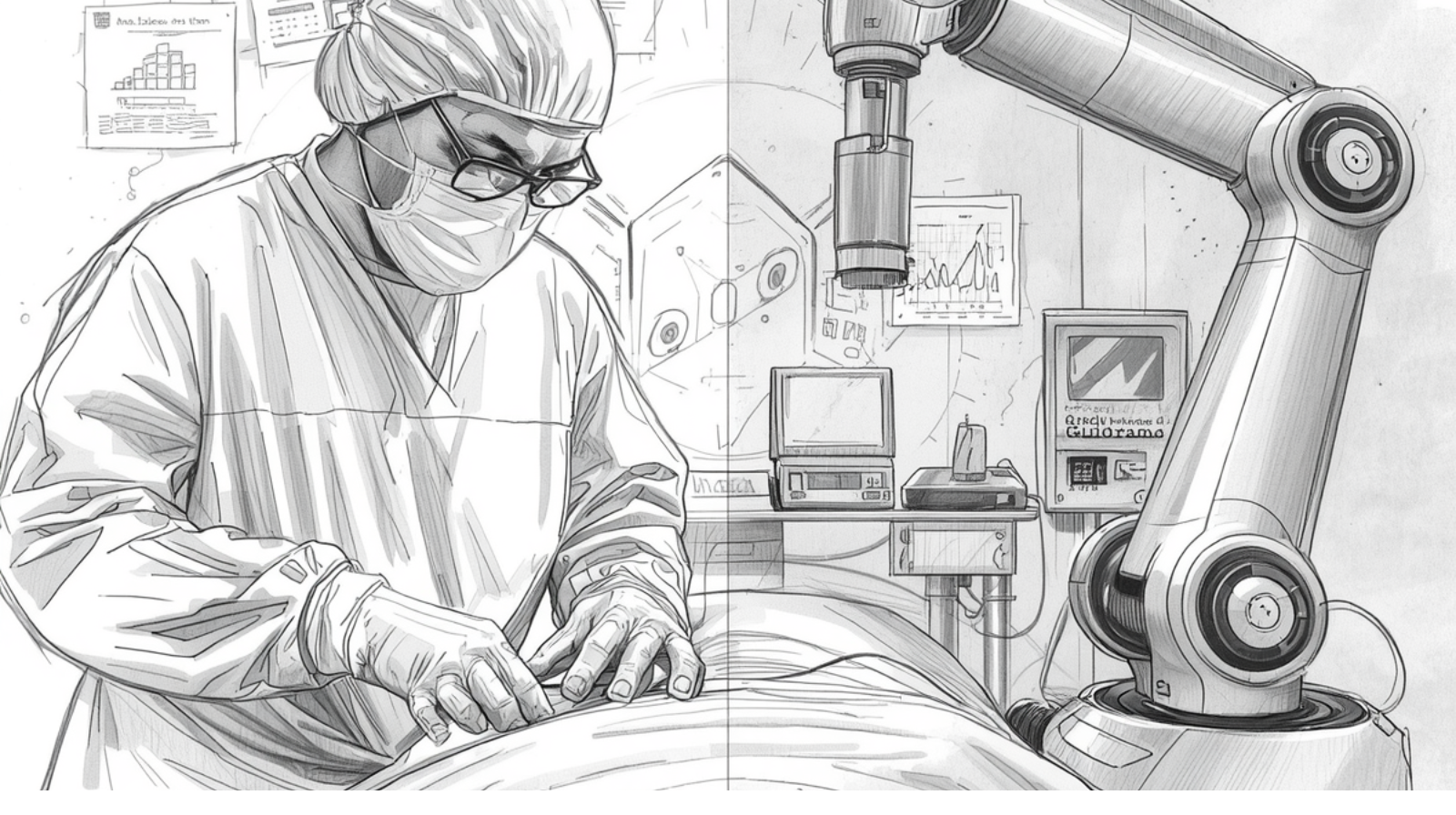
Trials that cannot win: why wound closure research needs a refresh
The wound closure literature has accumulated trials designed, from the outset, not to succeed. A new primary endpoint and bundle-based trial design can change that
Wound
Each editorial is permanently archived and citable.
Trials that cannot win: why wound closure research needs a refresh
The wound closure literature has accumulated trials designed, from the outset, not to succeed. A new primary endpoint and bundle-based trial design can change that
Wound
Marginal gains in wound closure: the case for technology-driven bundles and the start of a new Impact Surgery series
Wound complications after gastrointestinal surgery remain an everyday problem despite three decades of research. The marginal gains principle offers a practical framework for change. This editorial launches a new Impact Surgery series on wound closure technology.
Policy
Evidence, Adoption, and the Paradox of Surgical Innovation: Lessons from STITCH and the Rise of Robotic Surgery
The STITCH trial provides near-definitive evidence for small-bite fascial closure; yet only one in five UK surgeons use it. Meanwhile, robotic surgery has swept through health systems with limited evidence. What does this paradox reveal about how surgical innovation actually works?
Policy