
Cortland Linder1, Adewale Adisa2
1Surgical Data and Policy Hub, Department of Applied Health Sciences, University of Birmingham, Birmingham, UK
2Obafemi Awolowo University, Ile-Ife, Nigeria
DOI: 10.5281/zenodo.21239975
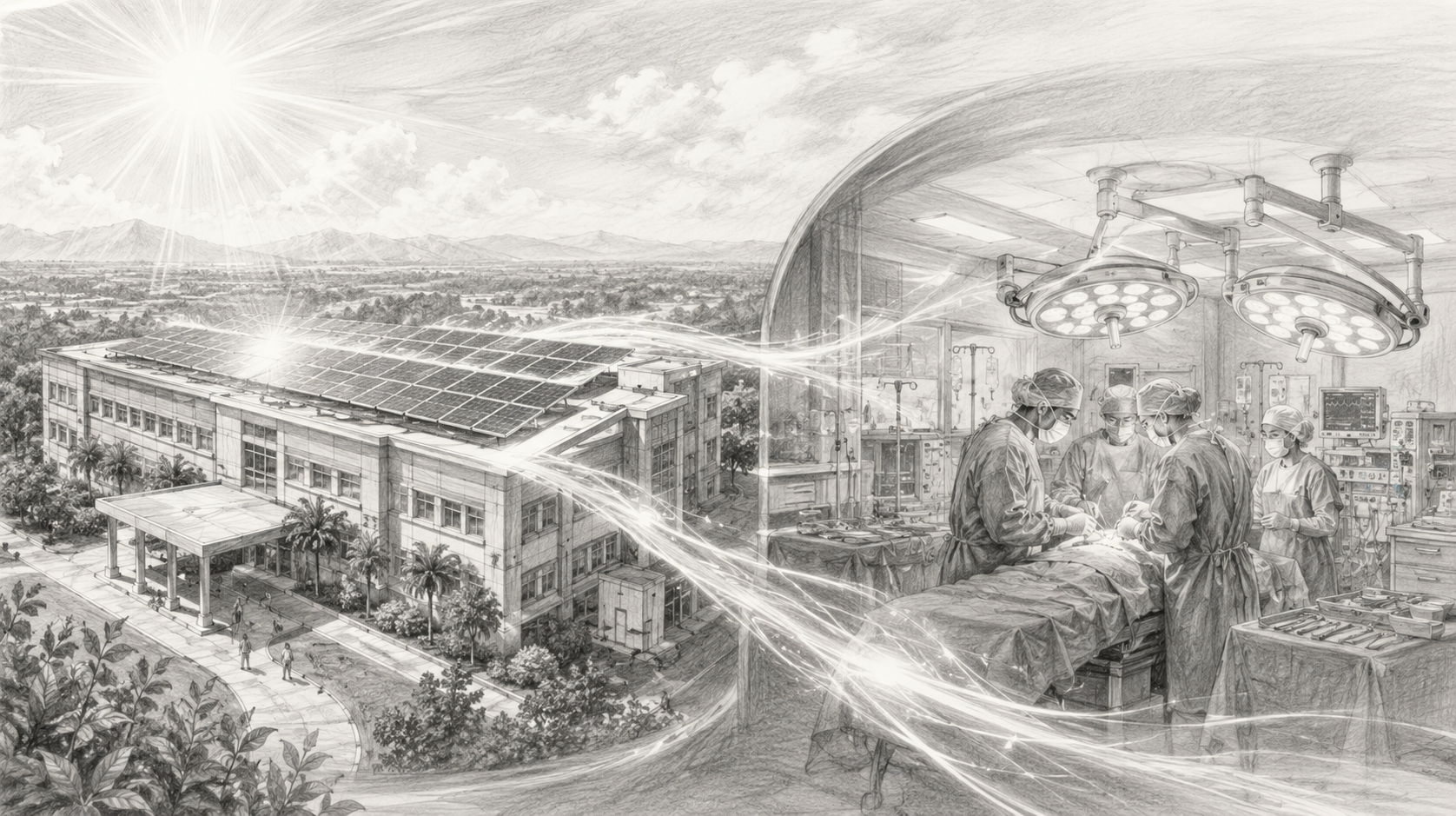
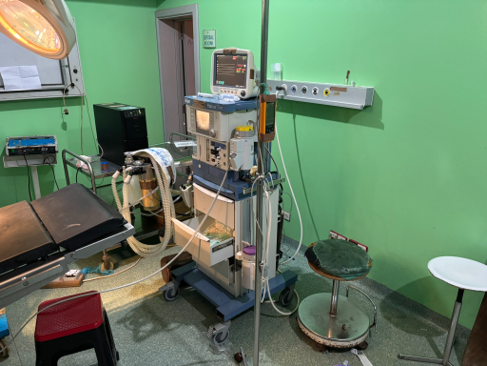
Reliable electricity is essential for modern operating theatres, including surgical and anaesthetic equipment, operating lights, ventilation and temperature control1. However, in sub-Saharan Africa, electrical grid supply can be unreliable2. Early evidence estimates an average of 7 intraoperative power outages per month, which can result in changes of procedure, complications and increased mortality in high-risk operations3. In Nigeria, power outages are even more common, due to poor infrastructure and high energy tariffs4.
On-site solar power generation has the potential to eliminate power outages across sub-Saharan hospitals, either as primary power source or as back-up supply. However, implementation of solar power in low- and middle-income countries remains slow, with limited national prioritisation due to lack of evidence on clinical and operational benefits5. While capital expenditure costs of solar power are still high, they have reduced by more than 100% over the last decade6.
Working with our colleague in Nigeria, Professor Adewale Adisa, we aimed to install solar power in Obafemi Awolowo University Teaching Hospitals Complex Surgical Facility, Nigeria. This busy tertiary hospital has power outages almost daily, which can be catastrophic when performing complex cancer resection or cardiothoracic surgery. To demonstrate the impact of solar power, we designed a novel methodology to measure power outage frequency, duration and effect on perioperative service delivery and safety, to be carried out before and after installation of the solar system. From February to August 2025, there were power outages on more than half of monitored days, with power outages causing delayed, interrupted or cancelled operations and patient complications.
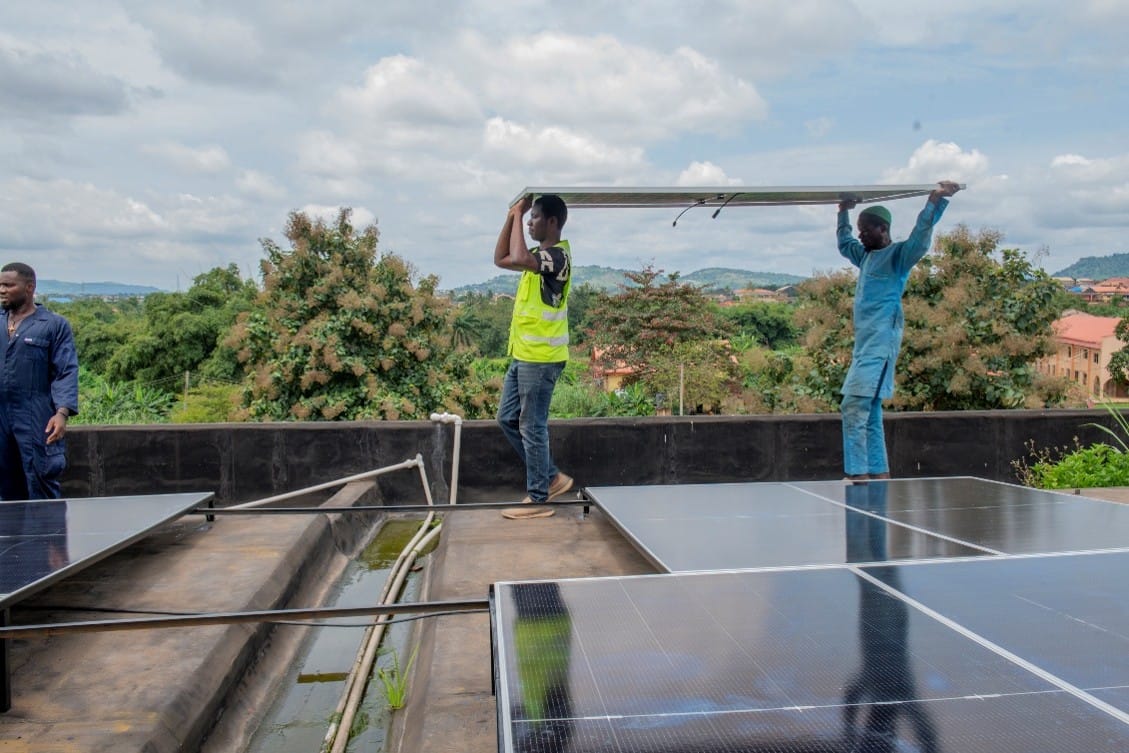
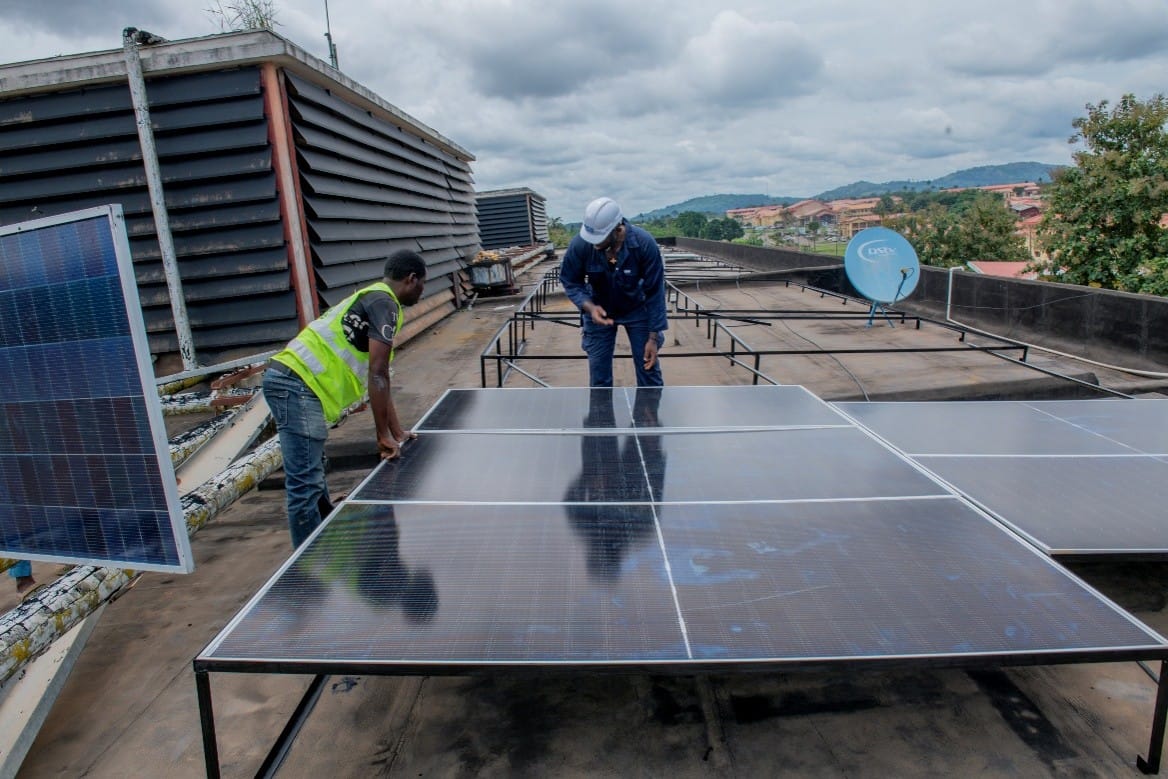
Financing for the solar system was raised through charitable donations. Organising implementation of the solar system was challenging. Early work was hindered by inconsistent quotes from local contractors, making it challenging to secure a local business. Luckily, we were able to work with Global Hospital, an international charity with expertise in installing and maintaining hospital solar power systems, who provided reliable quotations and load assessments. In September 2025, the team installed a hybrid solar system, consisting of 75x 555W solar panels (41kVA in total), 5x 10kVA inverters and 4x 17.5 kWh lithium-ion batteries (70kWh in total), at a total cost of $45,000.
Operation and maintenance plans are essential. Following installation of the solar power system, the inverters short-circuited, meaning the operating theatre lost back-up power and regular power outages restarted. Luckily, Global Hospital were able to arrange replacement inverters, and the system was quickly reinstated.
The solar power system has made a huge difference. We re-audited the operating theatre and critical care, where over a one-week period, there were no operations delayed, interrupted, cancelled or power outage related harm. I spoke to the surgeons, theatre nurses and teams two months after installation; they said the system had completely transformed care. They can still tell when the electrical grid fails, but now the solar system takes over so quickly all they can see is a momentary flicker in the lights. Surgeons report how power outages are a distant memory, allowing them to operate without worry that the lights will suddenly go out.
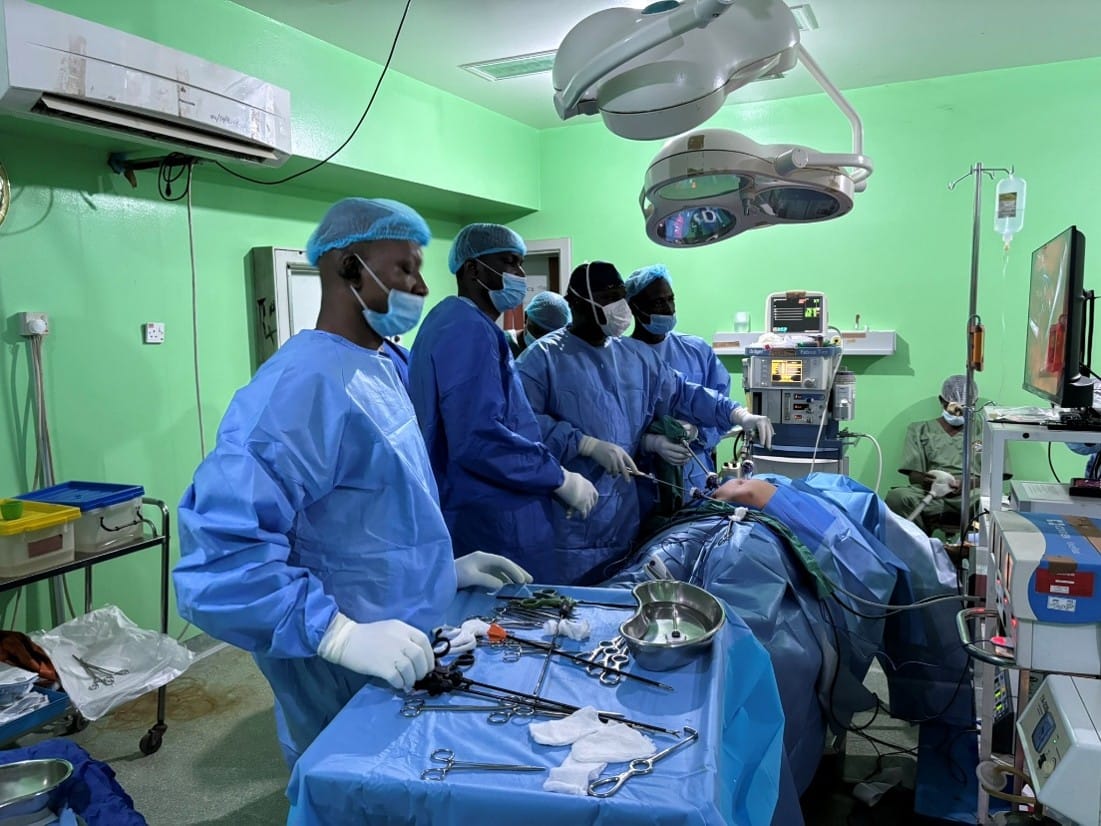
Our work in OAUTHC has shown both the feasibility of installing on-site hospital solar power and the enormous impact on perioperative care. There is much more to do; power outages continue to interrupt surgical care in hospitals across Nigeria and other sub-Saharan African countries. There remains a high up-front cost required to install these systems, but solar power is likely to save both lives and money long-term. Future research exploring the health-economic impacts of decentralised hospital electricity would be beneficial to help strengthen the business case for solar power.
Conflict of interest statement: All authors declare no conflict of interest.
Corresponding authors: Cortland Linder, Surgical Data and Policy Hub, Department of Applied Health Sciences, University of Birmingham, Birmingham, UK. cortlinder@gmail.com;
Adewale Adisa, Obafemi Awolowo University, Ile-Ife, Nigeria. wadisc@gmail.com;
References
- Khogali A, Ahmed A, Ibrahim M, et al. Building power-ful health systems: The impacts of electrification on health outcomes in lmics. Psychol Health Med 2022; 27: 124-37. 10.1080/13548506.2022.2109049
- World Health Organization, World Bank, International Renewable Energy Agency, Sustainable Energy for All. Energizing health: Accelerating electricity access in health-care facilities. Geneva: World Health Organization, 2023
- Kamarajah S, Ademuyiwa A, Adisa A, et al. Energy security as a crucial component of health infrastructure: Global evidence and actions. The Lancet Planetary Health 2025. 10.1016/j.lanplh.2025.101329
- ZE-Gen. Understanding nigeria’s fossil fuel generator challenge Profile of generator customer segments, Summary report 2026
- Linder C, Tellis R, Adisa A, et al. Barriers, facilitators and strategies for implementing on-site hospital solar power in low- and middle-income countries: A systematic review, global prioritisation survey and development of an implementation tool. BMJ Glob Health 2026; 11. 10.1136/bmjgh-2026-023926
- Sharma L, Singh J, Dhiman R, et al. Advancing solar energy for primary healthcare in developing nations: Addressing current challenges and enabling progress through unicef and collaborative partnerships. Cureus Journal of Medical Science 2024; 16. 10.7759/cureus.51571